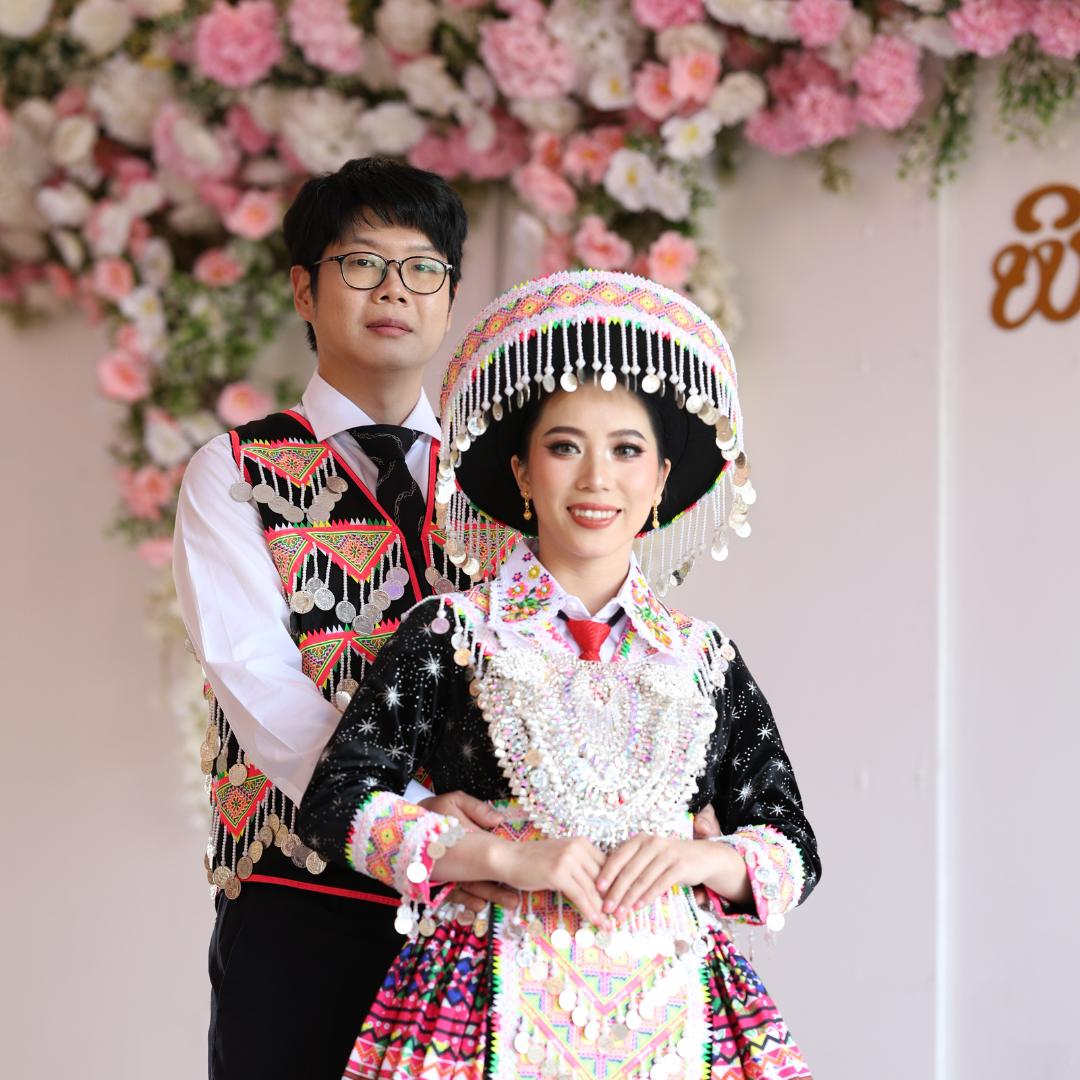
There's a moment at every cross-cultural wedding that stops you in your tracks. It's not the vows or the first dance. It's the moment you see two completely different worlds — different languages, different traditions, different ways of celebrating love — merge into something entirely new.
The photo above captures exactly that. A couple in stunning traditional attire, blending their cultural heritage into a celebration that honours both of their backgrounds. It's beautiful. And it didn't happen by accident.
Love Doesn't Require the Same Passport
One of the biggest misconceptions about cross-cultural relationships is that they're harder than same-culture ones. The truth? All relationships are hard. Cross-cultural ones just have different challenges — and often, unexpected strengths.
When you're with someone from a different background, you can't rely on shared assumptions. You have to actually communicate. You have to explain why something matters to you instead of assuming the other person just "gets it." And that kind of intentional communication often creates deeper intimacy than couples who share every cultural reference but never talk about what really matters.
The Beauty of Blending Traditions
Cross-cultural weddings are perhaps the most visible expression of what makes these relationships special. Instead of choosing one tradition over another, many couples create something new:
- Ceremonies that incorporate rituals from both cultures
- Traditional attire that celebrates both heritages
- Food that tells the story of two families coming together
- Music and dance that bridges two worlds
- Vows spoken in multiple languages
These aren't compromises. They're creations. Something that neither culture would have produced on its own.
What Makes Cross-Cultural Relationships Work
After years of helping international couples find each other, we've seen patterns in what makes these relationships thrive:
Curiosity Over Judgment
The most successful couples approach cultural differences with genuine curiosity. "Tell me why this is important to you" goes further than "that's strange."
Flexibility Without Losing Identity
Both partners need to be willing to adapt — but not to the point of losing who they are. The goal is integration, not assimilation.
Family Navigation
In many Asian cultures, marriage isn't just between two people — it's between two families. Understanding and respecting this dynamic is crucial, even when it feels unfamiliar.
Patience with Language
Miscommunication will happen. The couples who succeed are the ones who assume good intentions first and ask for clarification rather than jumping to conclusions.
Shared Values Over Shared Background
You don't need to come from the same place. You need to be heading in the same direction. Shared values about family, commitment, respect, and life goals matter far more than shared geography.
The Role of Professional Support
This is where matchmaking for cross-cultural couples differs from traditional dating. A good matchmaker doesn't just introduce two people — they prepare both for the cultural journey ahead, provide ongoing guidance, and help navigate the inevitable moments of "I don't understand why they did that."
We've seen couples transform from uncertain first meetings into confident partnerships. From awkward cultural moments into beautiful traditions that blend both worlds. From two individuals into a family.
Your Cross-Cultural Love Story Starts Here
If you believe that love transcends borders — and you're ready to explore what that looks like in your own life — we'd love to help you begin that journey.

Ready to Start Your Journey?
The first step is always a conversation. No commitment, no pressure — just an honest discussion about what you're looking for.
Book a Free Consultation